
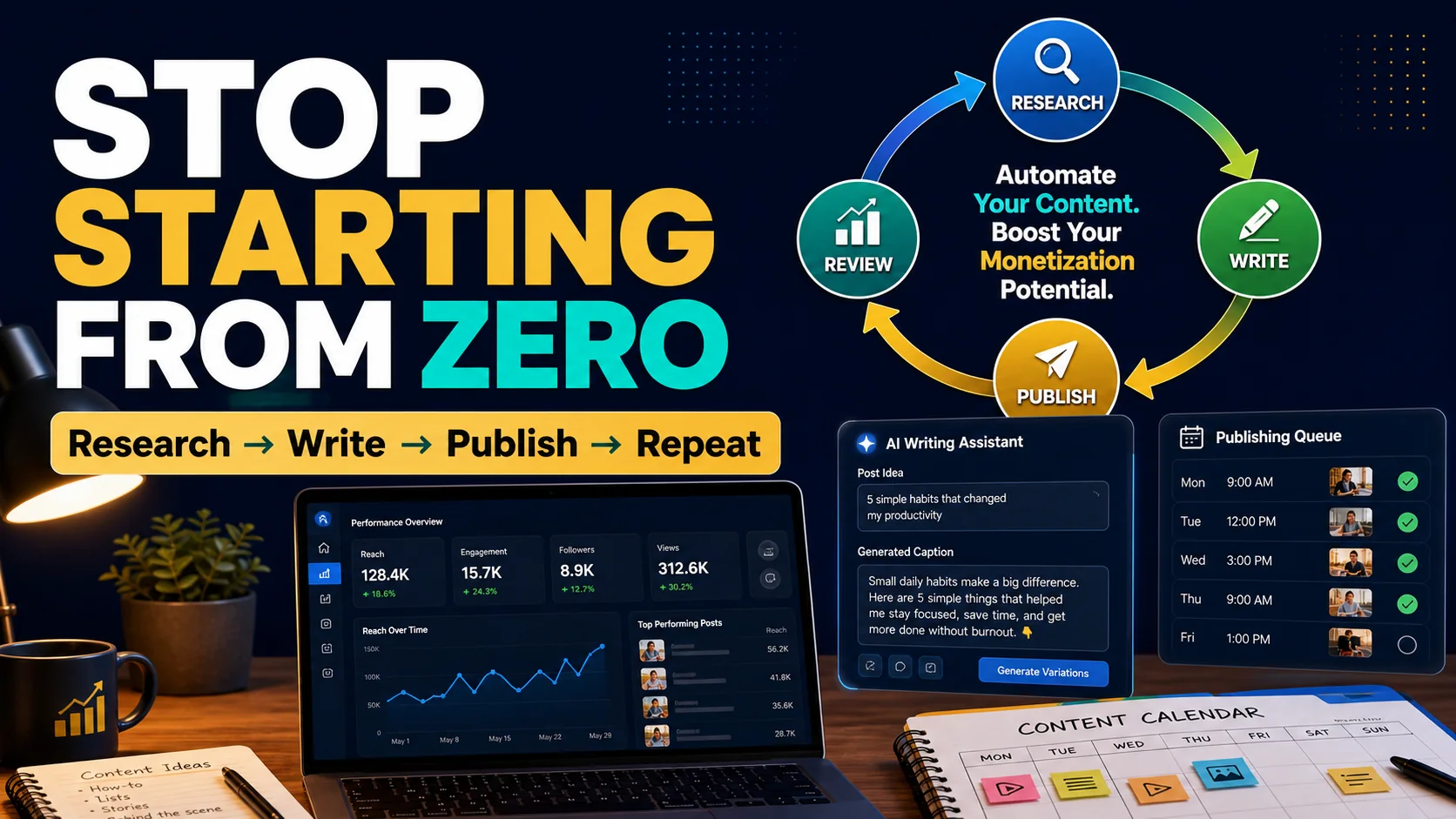
Most Facebook page owners do not fail because they are bad creators. They fail because every day starts from zero.
They wake up, open Facebook, scroll competitor pages, save a few screenshots, open an AI tool, try to write captions, create visuals, schedule posts, answer comments, and repeat the same messy process tomorrow. That is not a content system. That is daily survival.
Real Facebook automation is not about bots, fake engagement, or spam posting. For serious creators, it means automating the repetitive parts of research, writing, publishing, and review so you can spend more time improving content quality and monetization potential.
The Facebook Monetization Automation Loop
If you want to boost Facebook page earnings, the goal is not to post more random content. The goal is to build a loop where every week teaches the next week what to create.
Find what already works in your niche.
Turn patterns into original angles.
Write posts, captions, hooks, and visuals.
Publish consistently without daily panic.
Track reach, engagement, views, and earnings.
Use better data for the next cycle.
This loop is simple, but most creators do not run it. They create from memory. They guess what the audience wants. They publish when they have time. Then they wonder why their page has no consistent direction.
Why Manual Content Creation Limits Facebook Monetization
A manual workflow looks productive from the outside, but it usually wastes hours. You search competitors manually. You save screenshots. You open ChatGPT or another AI social media post generator. You write captions. You create visuals. You schedule posts. Then you do the same thing again the next day.
This is fine for one page with a light posting schedule. It becomes painful when you manage multiple pages, publish every day, test different formats, or want to build a monetized page that needs consistent original content.
Manual content creation creates four problems:
- It is slow. Research, writing, design, and scheduling all compete for the same daily energy.
- It is inconsistent. When you are tired, the page goes quiet or the quality drops.
- It is hard to scale. Adding another page or platform makes the workflow messy fast.
- It is difficult to review. If your process is scattered, you rarely connect results back to the content decisions that caused them.
Consistency matters because monetized Facebook content needs quality signals over time. Reach, engagement, retention, originality, and audience response do not appear from one lucky post. They come from a workflow that keeps producing, learning, and improving.
Manual Workflow vs Automated Creator Workflow
The difference between manual content creation and a real automation workflow is not that one uses tools and the other does not. The difference is whether the creator has a repeatable path from insight to published content.
In a manual workflow, the creator starts with a blank page. They search for inspiration, write one post, publish it, and forget to record why they chose that topic. The next day starts the same way. There is no memory in the system.
In an automated creator workflow, research is saved, ideas are grouped, captions are generated in batches, visuals are planned, posts are scheduled, and performance notes feed the next cycle. The creator still makes the important decisions, but the system carries the repetitive work.
| Workflow Area | Manual Approach | Automated Creator Approach | Why It Matters |
|---|---|---|---|
| Research | Scroll pages and save random screenshots. | Analyze pages, filters, formats, and repeated patterns. | Better research creates stronger original ideas. |
| Writing | Write one caption at a time from scratch. | Generate multiple angles and edit the best version. | You move faster without losing judgment. |
| Publishing | Post whenever you remember or have time. | Use a calendar and queue to stay consistent. | Consistency supports audience habit and page growth. |
| Review | Look at likes and move on. | Track format, topic, reach, comments, shares, clicks, and earnings. | The next batch improves from real data. |
Step 1: Automate Content Research
The first part of Facebook content automation is research. Before writing anything, you need to know what is already working in your niche.
Good research does not mean copying competitors. It means studying patterns: topics, hooks, formats, emotional triggers, visual style, post timing, comments, shares, and repeatable content ideas.
With Contai’s Facebook page analyzer, creators can find relevant pages, compare competitors, filter top posts, analyze engagement, and discover content ideas faster than doing everything manually in a spreadsheet.
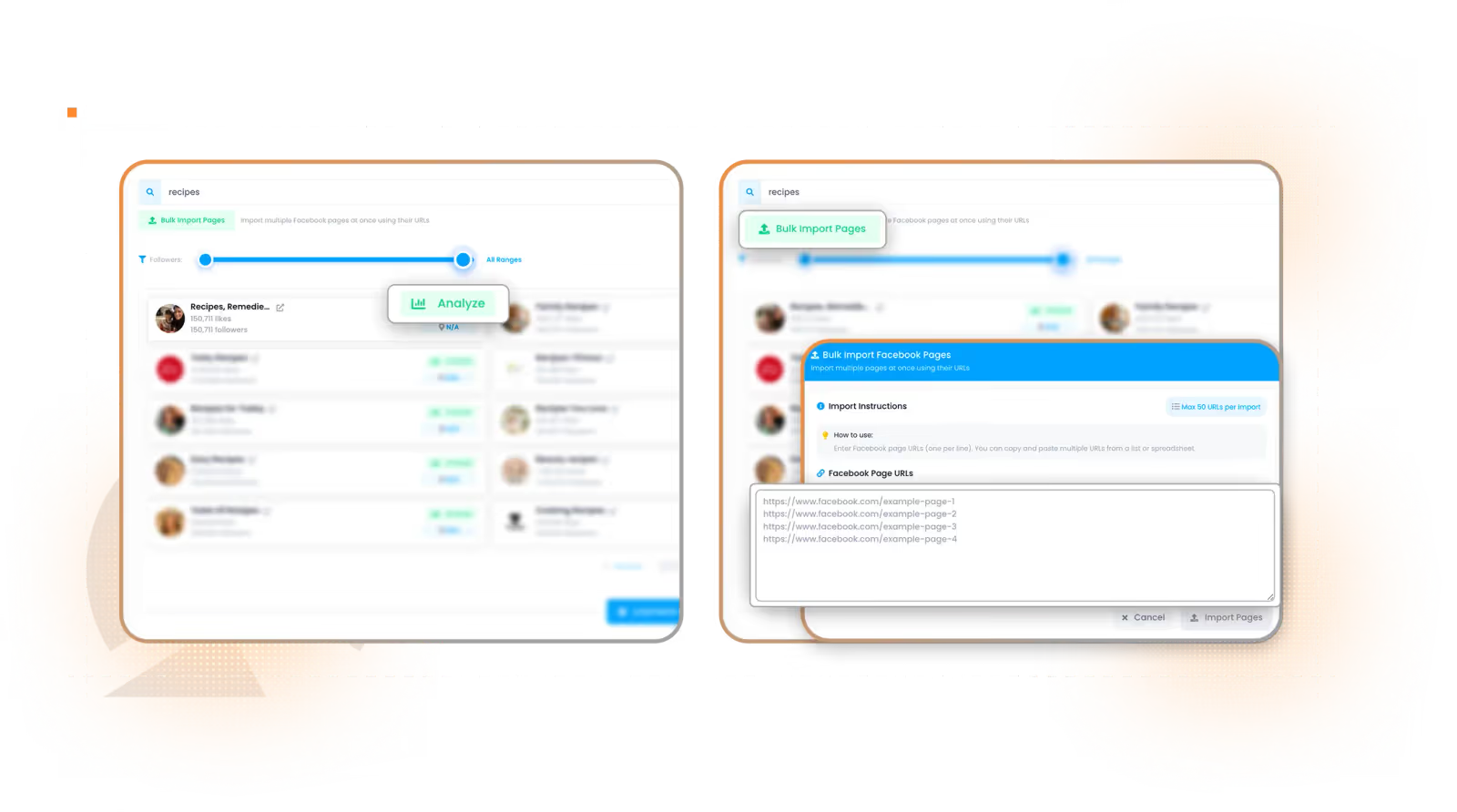
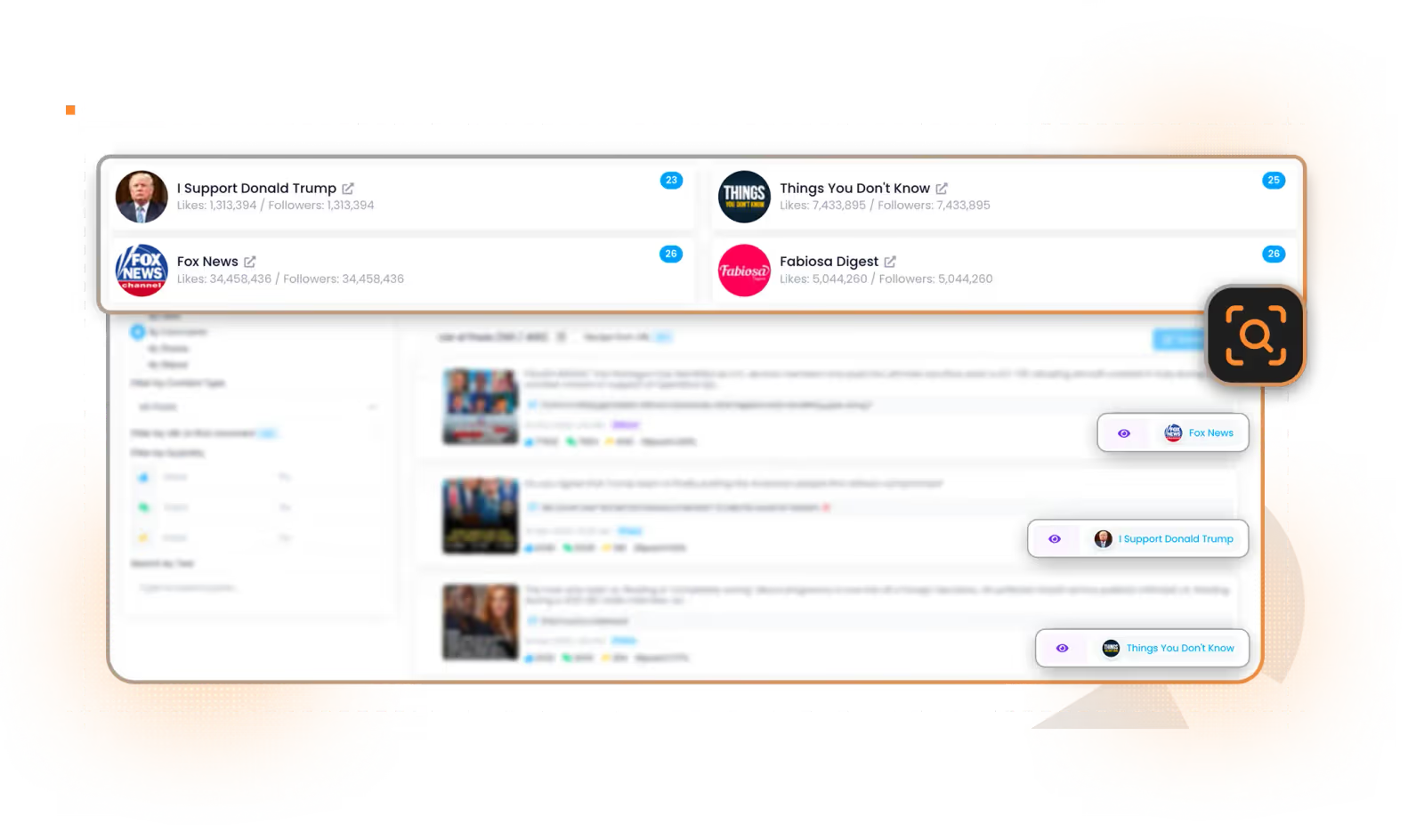
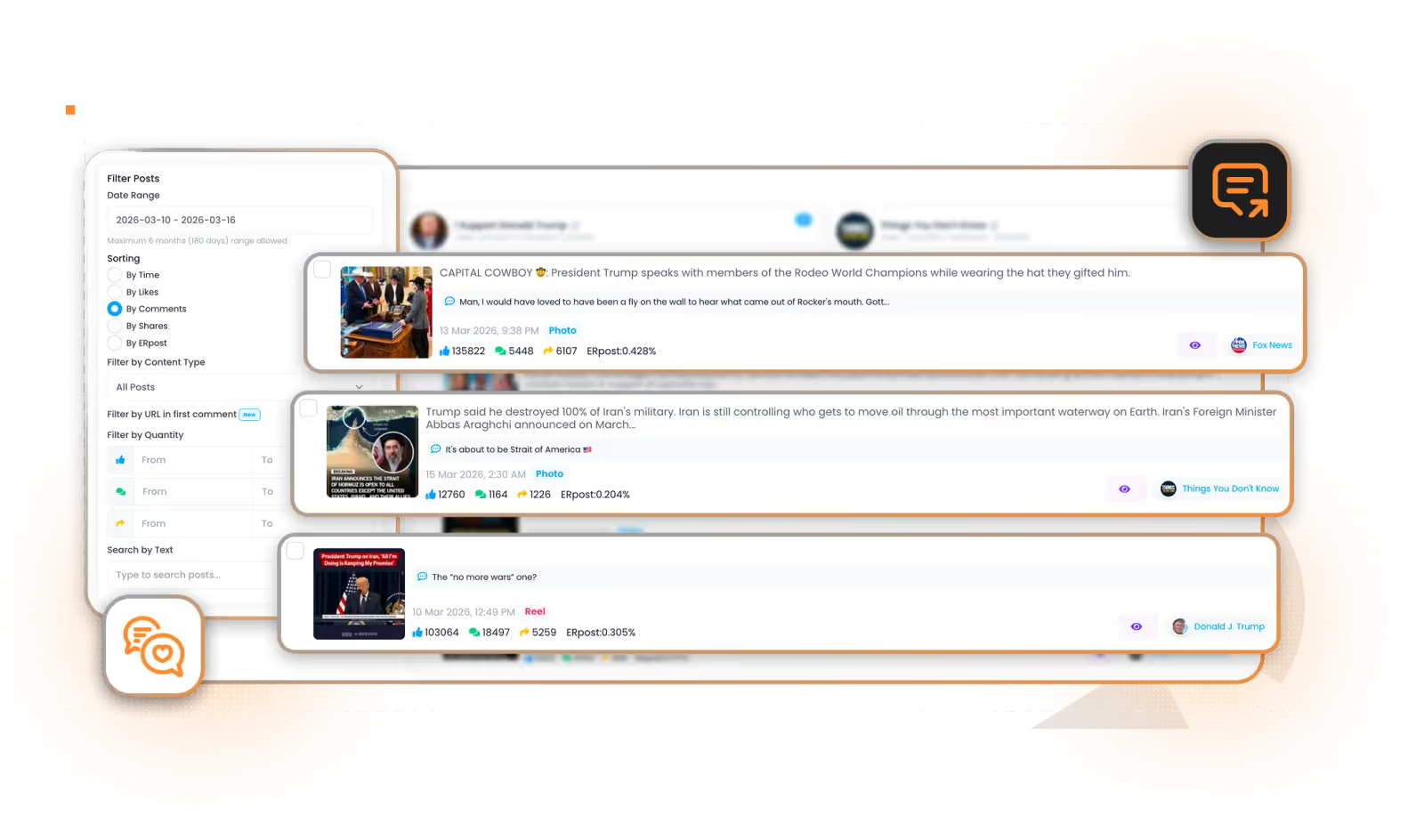
This is especially useful for creators using Facebook content monetization strategy because monetization improves when content decisions are based on evidence, not random inspiration.
Step 2: Automate Content Writing Without Losing Your Voice
Research should become ideas. Ideas should become content. This is where AI can help, but only if you use it properly.
The manual process is slow: choose an idea, write one caption, rewrite it, test a hook, create a shorter version, create a discussion version, and repeat. An AI-assisted process can generate several variations from the same research pattern so you can choose the best direction faster.
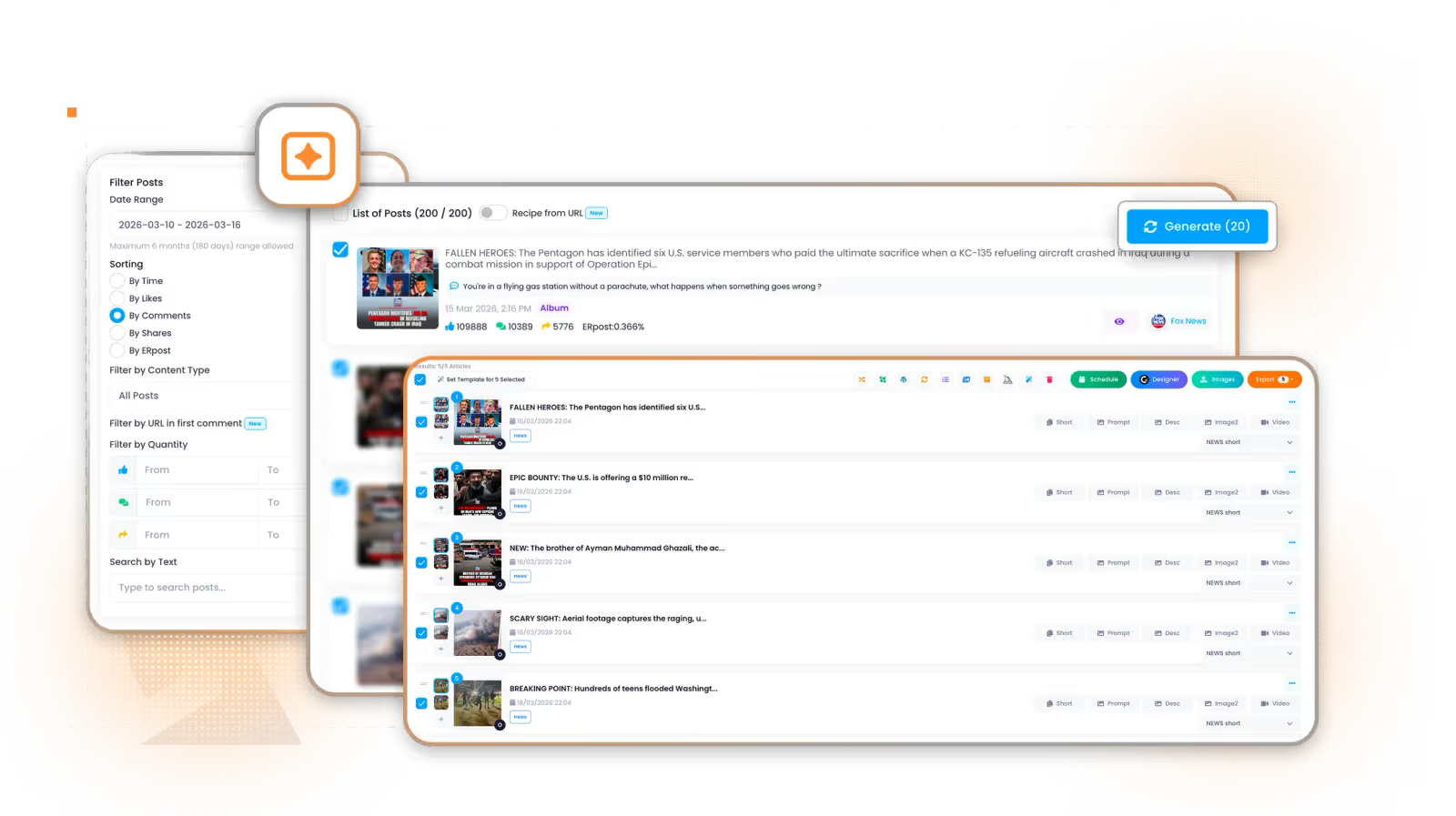
For example, if a recipe page finds that “budget dinner mistakes” performs well, AI can help create original variations:
- “Five cheap ingredients that make dinner taste expensive.”
- “The grocery mistake that makes weekly meals harder.”
- “Three budget dinners that do not feel like budget dinners.”
- “What I stopped buying when I wanted easier family meals.”
The creator still decides which idea fits the page, edits the tone, adds real examples, and checks originality. AI should assist the creator. It should not replace the creator.
What Most Creators Get Wrong About AI Content
Most creators use AI like a shortcut for publishing. They ask for a caption, copy it, paste it, and move on. That is why the content sounds generic.
If you need a broader AI workflow, the guide on using an AI social media post generator explains how to create faster without making every post sound the same.
Step 3: Automate Publishing and Scheduling
Most creators do not stop because they have no ideas. They stop because publishing becomes repetitive. Every day requires another decision: what to post, when to post, which caption to use, which visual to attach, and where else to repurpose it.
A publishing system removes that daily friction. You create posts in batches, place them into a content calendar, schedule them, and keep enough space for timely posts or audience responses.

Contai’s advanced publishing and scheduling tool helps creators organize content calendars, publishing queues, posting times, templates, and multi-platform publishing. That matters when your Facebook ideas also need to become Pinterest posts or WordPress content.
This is where a content automation platform is different from a generic writing tool. A writing tool helps with captions. A creator workflow platform helps connect research, writing, publishing, and review.
Step 4: Automate Performance Review
Without review, automation becomes blind. You can publish consistently and still repeat the wrong ideas if nobody checks the results.
Track reach, engagement, followers, views, watch behavior, clicks, and earnings when available. Do not only look at likes. Likes are easy to see, but shares, comments, retention, and clicks often tell a stronger monetization story.
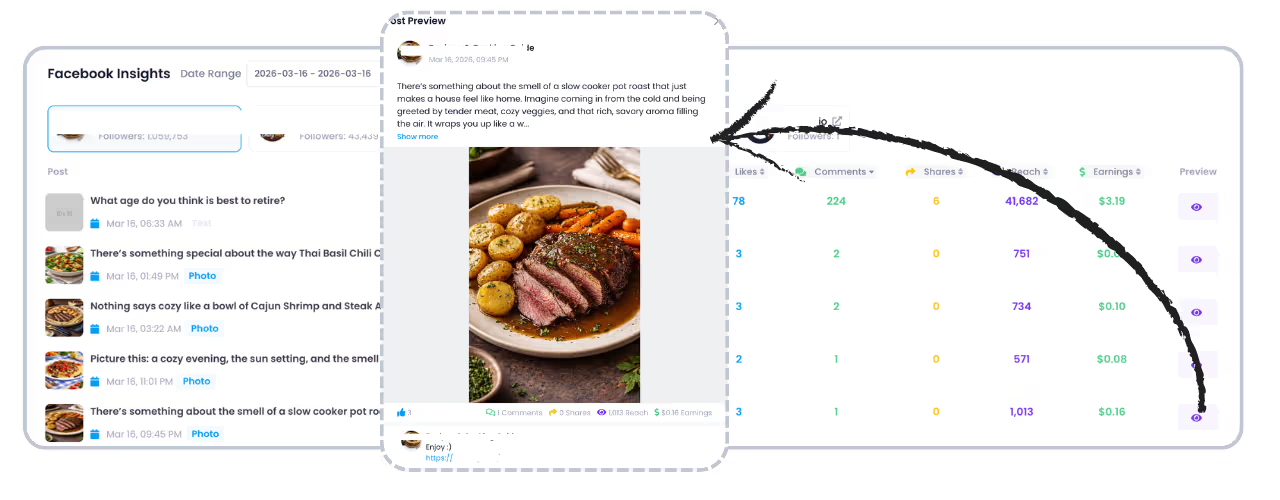
A good review asks simple questions: which topics kept appearing in the top posts, which formats created the strongest response, which hooks failed, which posts brought follows, and which content helped boost content monetization earnings or business value?
If your page is monetized, review earnings by content type where possible. A Reel with huge views may be less valuable than a smaller long video, image post, or link post that attracts better audience quality. The article on Facebook content monetization formats covers this difference in more detail.
How Automation Improves Monetization Readiness
Automation does not magically monetize a page. But a good workflow can make the page more ready for monetization because it supports the habits that monetized creators need.
First, it supports originality. When you analyze patterns instead of copying posts, you can create new angles that still match what the audience already cares about. That matters because Meta has continued to emphasize original creator content and reduce the value of low-effort duplicate posting.
Second, it supports consistency. Facebook pages grow more easily when the creator can publish useful content regularly without burning out. A scheduling workflow helps you show up even when you are busy, traveling, or managing several pages.
Third, it supports quality review. If you track which formats, topics, hooks, and visuals perform best, you stop treating every post as a guess. That gives you a better chance to build the kind of audience signals that can support monetization over time.
The Biggest Facebook Automation Mistakes
Automating spam. If automation helps you publish low-quality posts faster, it is making the page worse. Use automation to improve the workflow, not flood the feed.
Copying competitors. Competitor research is useful, but copying the same hook, visual, and caption can create originality problems and weaken trust.
Using AI without editing. Raw AI captions often sound smooth but empty. Add specific examples, stronger opinions, better hooks, and your own page voice.
Chasing quantity over quality. More posts do not automatically mean more monetization. Quality signals matter, especially for creators trying to build long-term page value.
Ignoring analytics. If you never review the results, your system cannot improve. Automation should make review easier, not optional.
Publishing without strategy. A page needs pillars, formats, and goals. Otherwise the content calendar becomes a pile of disconnected posts.
A Complete Weekly Facebook Automation Workflow
Here is a practical weekly workflow for a creator who wants to connect research, writing, publishing, and review without spending hours every day.
| Day | Main Task | What to Do | Output |
|---|---|---|---|
| Monday | Research | Analyze competitors, top posts, formats, hooks, and comments. | A list of winning patterns. |
| Tuesday | Generate Ideas | Turn research into original post angles and variations. | A batch of draft ideas. |
| Wednesday | Create | Write captions, scripts, images, and link post copy. | Finished posts ready for review. |
| Thursday | Schedule | Load posts into the calendar and prepare publishing queues. | A scheduled content week. |
| Friday | Review | Check reach, engagement, views, clicks, followers, and earnings. | Notes for next week. |
| Weekend | Engage | Reply to useful comments and collect audience questions. | New ideas from the audience. |
Mini Case Study: From Daily Panic to a Repeatable System
Imagine a recipe page owner who spends three hours per day creating content manually. Every morning starts the same way: scroll for ideas, save posts, write one caption, create one visual, publish, and hope it works.
After switching to a research → writing → publishing workflow, the creator analyzes competitor pages every Monday, creates a batch of original ideas on Tuesday, prepares posts on Wednesday, schedules on Thursday, and reviews performance on Friday.
The result is not a guaranteed income number. The result is a better operation: content planning becomes easier, posting becomes more consistent, the creator spends more time improving recipes and visuals, and better content signals can support stronger monetization potential over time.
This is the real value of Facebook content monetization tools. They do not replace the creator. They help the creator spend less time on repetitive setup and more time making the content worth watching, reading, and sharing.
Final Takeaway
You probably do not need more motivation. You need a repeatable content system.
Facebook automation works when it removes repetitive work from research, writing, scheduling, and review. It fails when creators use it to publish more low-quality content, copy competitors, or ignore analytics.
If you want to build a safer and more useful system, start with the Facebook Monetization Automation Loop: research what works, generate original ideas, create better posts, schedule consistently, review results, and repeat with better data. Tools like Contai can help connect that workflow so your page is not starting from zero every day.
Frequently Asked Questions
Is Facebook automation allowed?
Facebook automation is safe when it supports research, planning, AI-assisted drafting, scheduling, and performance review. It becomes risky when it is used for fake engagement, spam posting, copied content, or attempts to bypass platform rules.
Can automation increase Facebook monetization earnings?
Automation can improve monetization potential by helping creators stay consistent, find stronger content ideas, create original posts faster, and review results. It does not guarantee earnings because monetization depends on eligibility, niche, audience quality, originality, and Meta policies.
What parts of Facebook content creation can be automated?
Creators can automate parts of competitor research, viral post analysis, idea generation, caption drafting, visual planning, scheduling, publishing queues, and performance review. Human editing and strategy should remain part of the workflow.
Is AI-generated Facebook content safe?
AI-assisted content can be safe when creators edit it, add original examples, check facts, and avoid copied or generic posts. Publishing raw AI content without review can hurt quality and audience trust.
What is the best Facebook automation workflow?
A practical workflow is the Facebook Monetization Automation Loop: research what works, generate original ideas, create posts and visuals, schedule publishing, review results, and repeat with better data.
Can Contai automate research, writing, and publishing?
Contai can help creators analyze Facebook pages, discover content patterns, generate original post ideas, create content, schedule posts, publish across platforms, and review performance in one workflow.
Keep learning
Related articles



Get Smarter Facebook Content Automation Tips
Weekly guides about Facebook automation, AI content workflows, content monetization, and page growth systems.
Join the Newsletter